
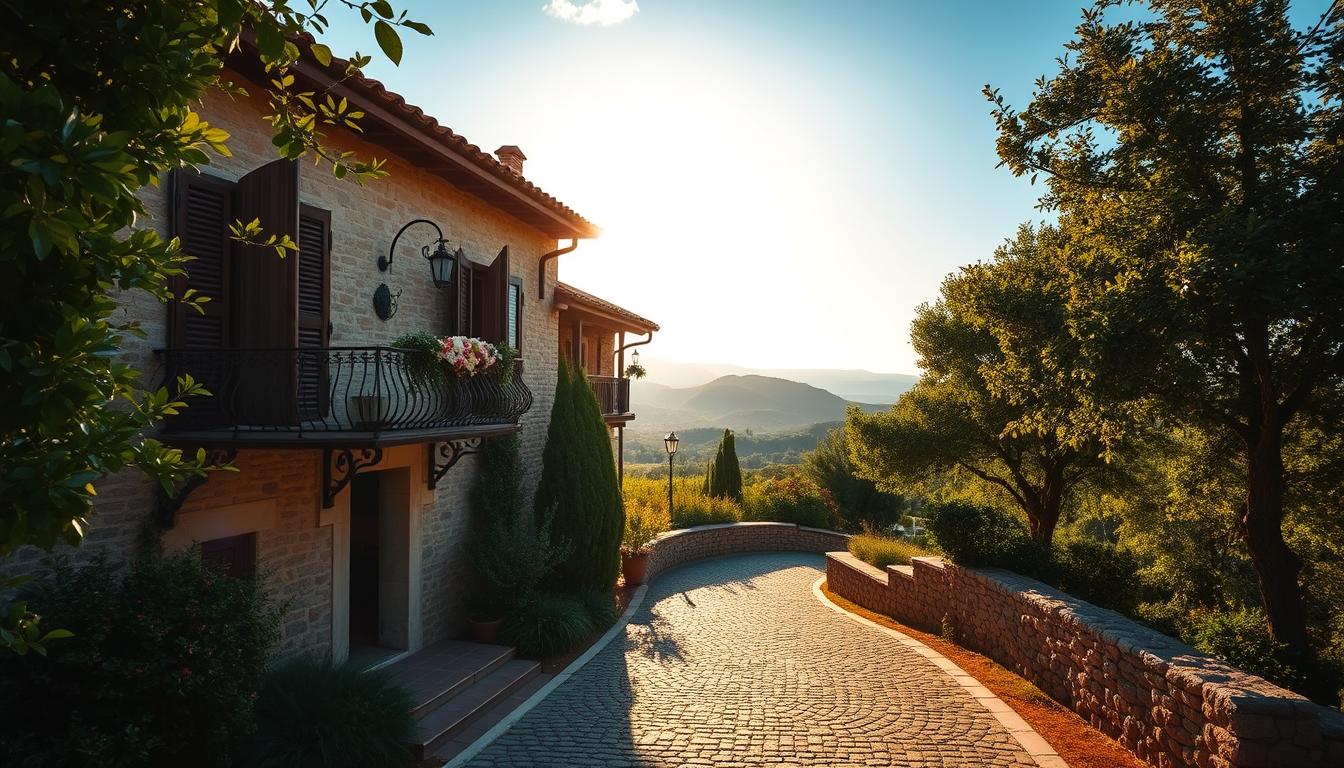
Looking for a private hideaway that feels handpicked and utterly unforgettable?
I curated a clear guide to the most exclusive spain boutique hotels where privacy, design, and flawless service shape your stay from check-in to breakfast. I wrote this for American travelers who want refined experiences without surprises.
Expect a mix of coastal retreats, countryside sanctuaries, and city hideaways so your trip matches the area you love—beach, vineyard, or cultural city. I focus on properties that deliver consistent quality across rooms, not just in the top suite.
I note realistic price and fees, logistics like airports and drives, and what each address excels at—views, spa, restaurant, or service. You’ll find where to book for a calm morning terrace, a standout dinner, or a private spa day in san sebastián and beyond.
Key Takeaways
- I curated hotels spain for privacy, design, and consistent quality across room categories.
- Options span coast, countryside, and city to match your preferred area and pace.
- I flag realistic price and fees so you can plan nights and extras confidently.
- Look for strengths—view hotel, spa, dining, or service—when choosing a stay.
- Logistics and proximity tips help you chain stays into a smooth trip.
How I choose the best boutique hotels in Spain for privacy, luxury, and service
I focus on places where a thoughtful layout and steady service make every stay feel private and effortless.
My criteria: suites, views, pools, spa, and refined dining
I prioritize small properties with few keys so staff-to-guest ratios support highly personalized service. I expect standard rooms to feel polished and suites to add real benefits — a larger terrace, elevated view, or soaking tub.
I inspect sightlines for true views, not partial glimpses. Wellness spaces must support quiet: bookable time slots, hydrotherapy, and calm relaxation areas. Dining should reflect place with a curated wine list and breakfast that highlights local produce.
Location matters: coast, countryside, or historic city
Location defines the experience. Do you want sea breezes, vineyard valleys, or a historic city neighborhood within walking distance of sights? I check sound insulation, blackout shades, and HVAC control because sleep quality underpins luxury.
- I favor teams who anticipate needs from pre-arrival messages to private tours.
- I avoid addresses with beautiful public spaces but inconsistent rooms.
Best Spain boutique hotels for a private escape
I select stays that feel like a personal retreat: small scale, clear design intent, and service that respects your time and privacy.
What “best boutique” means to me: design, intimacy, and sense of place
I judge the best boutique by atmosphere first. Design should echo the local area—stone farmhouses in vineyard regions, clean lines on cliffed coasts, and careful restorations in historic centers.
Intimacy matters: fewer rooms mean quieter common areas and staff who memorize preferences. That attention lifts the overall experience and makes each room feel private.
- Architecture that highlights the setting—clifftop glass, shaded courtyards, or terraces that frame sea and valley views.
- Culinary identity: regional menus and wine lists that tell a local story.
- Transparent pricing and minimal fees so your nightly rate matches expectations.
- Privacy-forward layouts: private pools, bookable spa circuits, and discreet service routines.
- Comfort in-room—plush bedding, rainfall showers, and simple climate control for true rest.
| Feature | Why it matters | What I look for |
|---|---|---|
| Design & Sense of Place | Creates atmosphere and memory | Local materials, thoughtful sightlines, region-driven decor |
| Intimacy & Service | Enables privacy and tailored attention | Limited rooms, anticipatory staff, flexible check-in |
| Price & Transparency | Protects your budget and trust | Clear rates, few surprise fees, honest add-ons |
Basque Country bliss: San Sebastián and the coast for sea views, wine, and Michelin dining
I seek stays that pair shorefront views with standout dining and quiet design.
Hotel Akelarre, San Sebastián sits on a hillside overlooking the Bay of Biscay. Its three‑Michelin‑star restaurant by Pedro Subijana anchors a deep wine program. Sea‑view rooms start at 50 sqm and offer Bang & Olufsen sound and Apple TV. Akelarre Suites add private plunge pools and floor‑to‑ceiling windows for dramatic views. The spa’s hydrotherapy circuit is a guest favorite.
Arima Hotel & Spa
Set in Miramón Forest, this eco hotel uses low‑energy design and serves locally farmed tapas. Wellness is a focus: an infrared sauna, two pools including a seasonal rooftop infinity pool, and a forest‑facing yoga/spin studio. There’s also a fitness center and pool bar for relaxed evenings.
Hotel Iturregi
A rural farmhouse with eight rooms, Iturregi feels like private country living. Expect a shady terrace, a small pool, bicycles, beach gear, and in‑room breakfast. It’s minutes from txakoli vineyards and Getaria’s seafood scene.
Villa Magalean Hotel & Spa
In Hondarribia, Spa Henriette and a compact library create a refined living‑room vibe. The Mahasti wine bar pours wines from the owner’s bodega alongside a French‑Basque tasting menu. It’s ideal for strolls between the marina and medieval streets.
- Why I pick these stays: design‑forward rooms, memorable restaurant options, private terraces, and sea‑facing pools that define coastal luxury.
Asturias hideaways: mountains, sea, and heritage retreats
Green mountains meet wild coastlines here, and the best stays feel rooted in both.
Puebloastur Eco‑Resort Hotel & Spa, Cofiño
I recommend Puebloastur for art‑filled, eco-minded design between the Cantabrian Sea and Picos de Europa. The resort runs paperless bookings and sources spa products and produce locally.
The spa is a highlight: outdoor hot tubs with underwater access and soothing whirlpools that set a restorative tone for your stay.
Hotel 3 Cabos
This view hotel opens to Bay of Biscay panoramas near Luarca. Its farmhouse roots meet playful decor and a cozy lounge where Spanish wine pairs well with Asturian dishes.
Hikes to golden beaches are minutes away—ideal for guests who want sea, sand, and simple, well‑made meals.
Parador de Corias
Parador de Corias is true heritage lodging: an 11th‑century monastery with a basement museum, an active church, and a refectory restaurant.
Rooms feel modern and Scandi‑inspired, and the river setting plus a calm spa makes quiet evenings the norm.
| Property | Standout | Best for |
|---|---|---|
| Puebloastur Eco‑Resort | Outdoor hot tubs, art, eco dining | Wellness and design lovers |
| Hotel 3 Cabos | Bay views, beach access, lounge wine | Active guests and coastal walks |
| Parador de Corias | Monastery, museum, Scandi rooms | History fans and quiet stays |
Galicia’s coastal calm: beaches, wine, and garden spas
Galicia’s coast offers a gentle rhythm of surf, vineyard evenings, and small garden spas that reward slow travel.
Parador Costa da Morte (Muxía) sits on cliffs by Praia de Lourido. Built in 2020, it hugs the rock and gives dramatic views. I recommend it for a two‑night pause between Santiago and A Coruña.
Hotel A Quinta Da Auga — Santiago de Compostela
Set on an 18th‑century estate, A Quinta da Auga has riverside gardens and a three‑story spa. Restaurant Filigrana and Turkish baths make slow mornings and restorative nights easy. The heritage setting feels private and calm.
Noa Boutique Hotel — A Coruña
Noa offers glass‑fronted rooms, bathtubs, and a saltwater infinity pool overlooking the bay. The eco spa and Asian‑Galician restaurant make it a modern seaside base for active guests.
Quinta de San Amaro — Pontevedra
In Salnés Valley, Quinta de San Amaro pairs Albariño winery tours with a relaxed pool, pergola, and porch for sunset wine. It sits close to beaches and boat trips to the Cíes Islands.
“Choose this quartet if you want sea air, garden spas, and an unhurried stay focused on local wine.”
| Property | Standout | Best for |
|---|---|---|
| Parador Costa da Morte | Contemporary cliff design, Praia de Lourido | Coastal views and day trips to Cape Finisterre |
| A Quinta da Auga | Riverside gardens, three‑story spa, Filigrana restaurant | Garden tranquillity and heritage nights |
| Noa Boutique Hotel | Glass rooms, saltwater infinity pool, eco spa | Modern seaside stays and varied dining |
| Quinta de San Amaro | Albariño tours, pool, terraces | Wine lovers and beach access |
Rusticae picks: boutique and small luxury hotels across Spain I’d book
Rusticae curates characterful stays that favor storytelling architecture and attentive service.
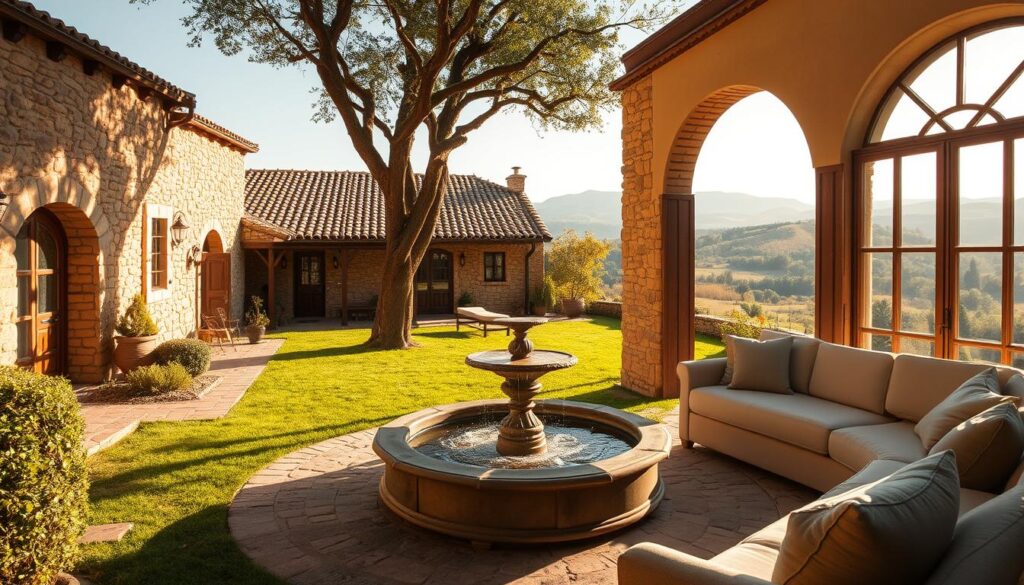
Molino Tejada, Cantabria
Molino Tejada is a 16th‑century watermill on the Ebro that reads like a private country house with hotel polish.
Rooms include a kitchenette and freestanding bathtubs for relaxed mornings and longer stays. The gardens, a small pool, a library, and a home theatre add layers to the stay.
An honesty bar and communal spaces make nights feel social without losing privacy. For me, its mix of character and quality makes price and fees feel fair for the night.
Signature stays to consider
- Faro de Punta Cumplida — lighthouse terraces and cinematic Atlantic views.
- Predi Son Jaumell — an island rural estate with gardens and refined dining.
- Villa Magalean and Iturregi — country houses that pair privacy with strong service.
| Feature | Why it matters | Best for |
|---|---|---|
| Story-led design | Creates a memorable experience | Romantic getaways |
| Kitchenette & gardens | Flexible stays and private meals | Longer visits |
| Transparent pricing | Avoids surprise fees | Budget-conscious travelers |
City style meets privacy: boutique addresses in Madrid, Barcelona, and Seville
In busy cities, I favor hotels that deliver serene rooms without sacrificing access to dining and museums.
Madrid: culture, cuisine, and suites with terraces
I pick addresses near art corridors and dining hubs so my daytime walk is short and effortless.
Suites with a private terrace are a priority. They give me a golden‑hour skyline without leaving the room before a late restaurant booking.
Barcelona: design‑forward rooms, rooftop pools, and Gaudí views
Barcelona rewards design lovers. I hunt for rooms with rooftop access and a small pool for quiet midday swims.
A good view hotel will frame Gaudí silhouettes at dusk and keep traffic noise at bay.
Seville and Granada: heritage courtyards, tapas, and timeless neighborhoods
Seville’s orange‑scented lanes make privacy simple. I book rooms that face interior patios for a silent night even near lively plazas.
Granada pairs Alhambra‑side calm with tapas routes. The right location trims transit time and makes each night easy.
- I prefer a discreet entrance and quick elevators for smooth arrivals.
- When jet lag hits, reliable in‑room dining is a small but important comfort.
- For nightlife, pick one street off the action so you can enjoy late hours and return to real quiet.
| City | What I look for | Best for |
|---|---|---|
| Madrid | Suites with terraces, near museums, strong restaurant scene | Culture and dining nights |
| Barcelona | Design rooms, rooftop pool, Gaudí views | Design lovers and midday rest |
| Seville / Granada | Heritage courtyards, interior‑facing rooms, tapas access | Historic walks and quiet nights |
Island escapes: Balearic and Canary boutique hotels by the water
Island time means fewer keys, more space, and mornings that begin with sea air.
I favor small coastal addresses where rustic‑chic rooms open to coves and short winery drives. In Mallorca and Menorca, sandy coves sit beside vineyards that invite slow tastings. A shaded terrace and a nearby beach make afternoons effortless.
Mallorca and Menorca: sandy coves, rustic‑chic rooms, and vineyard trips
Why I go: quiet coves, simple local wine, and rooms that feel like a private house.
Look for properties with compact pools and rooms that frame the sea. These stays pair well with half‑day vineyard tours and a late seafood lunch.
Ibiza and Formentera: serene coves, wellness menus, and private terraces
I pick addresses away from beach clubs that focus on wellness menus and private terraces. Guests benefit from calming spa options and early‑morning swims before crowds arrive. Efficient AC and blackout shades are a must for restful nights.
La Palma: lighthouse luxury with infinity pools and Atlantic views
Rusticae’s Faro de Punta Cumplida is a standout. It offers three suites, terraces, full kitchens, and an infinity pool perched above Atlantic water. You can book the entire lighthouse for groups, and breakfast or candlelight dinners can be arranged.
- Watch seasonal offers that bundle transfers or breakfast; island logistics add cost.
- For families, book an entire lighthouse or a villa‑style hotel boutique to maximize space.
- Split nights between a rural finca and a coastal address to enjoy both vineyard calm and sea breezes.
| Island | Standout | Best for |
|---|---|---|
| Mallorca / Menorca | Rustic‑chic rooms, coves, vineyard trips | Slow days, beach and tasting |
| Ibiza / Formentera | Wellness menus, private terraces | Quiet escapes and spa time |
| La Palma | Faro de Punta Cumplida: suites, infinity pool | Celebrations and design lovers |
What to expect from Spain’s best boutique hotels right now
Top addresses now marry bold regional cooking with calm wellness programs so every day feels balanced.
Breakfasts, tasting menus, and wine lists that spotlight local terroir
I look for mornings that celebrate place: artisan breads, local cheese, and orchard fruit that set a slow pace for the day.
Evening dining tends to follow the same thread. From Akelarre’s three‑Michelin setting to intimate rooms like Iturregi’s snack bar, tasting menus map the region and pair well with curated wine by the glass.
Book restaurant seats in advance at top addresses to secure prime seating for tasting menus and flights.
Wellness and eco credentials: spas, saunas, and low‑impact operations
Wellness now includes hydrotherapy circuits, infrared saunas, and rooftop pools that double as quiet places to reset.
I value eco hotel practices—local sourcing, energy efficiency, and paperless admin—which lower impact and often simplify the guest experience.
Small but vital details like plush linens, quiet HVAC, and transparent offers and fees shape how refreshed guests feel and whether the listed price matches reality.
| Feature | Why it matters | What to expect |
|---|---|---|
| Dining | Shows regional identity | Tasting menus, by‑the‑glass wine flights |
| Wellness | Supports recovery | Hydrotherapy, saunas, rooftop pools |
| Sustainability | Reduces footprint | Local sourcing, energy steps, paperless billing |
Planning your trip: best time to go, regions, and nightly rates
Pick your travel window by the experience you want—sunny beach days or quiet countryside walks.
I time stays to match pace. Summer is ideal for beaches and long daylight hours. For city breaks and countryside hiking, I favor spring and fall when temperatures ease and crowds thin.
When to visit: summer beaches vs. shoulder‑season city and countryside stays
For beach time, summer delivers warm seas and reliable weather. Plan anchor nights early—peak weeks fill fast.
In the north, mild summers suit coastal hikes and vineyard visits. Winters are quieter and cozy by a fireplace.
For cities, spring and autumn offer the best balance of weather and fewer tourists. That time often improves the overall value of your stay.
Budgeting your stay: price ranges, resort credits, and added‑value perks
Set realistic nightly price ranges by region: city centers and islands usually command higher rates at peak time; rural area addresses often give more value for a similar price.
Look for offers that include breakfast, spa slots, or parking. These can offset extra fees and make the final bill friendlier.
“Confirm what’s included—VAT, service, and resort‑style fees—so you can compare options on a true like‑for‑like basis.”
- Cluster nights by location: two nights in a city, three by the coast reduces transit time.
- Rent a car for rural and coastal routes; skip it in dense city centers and walk or rideshare instead.
- If you can be flexible, midweek nights often lower price, especially outside holidays and festivals.
- Always check cancellation windows and prepayment terms; flexible policies may be worth a small premium.
| Region | Typical night price | Best time |
|---|---|---|
| Coast & Islands | $180–$450 per night | June–September for beaches; spring/early fall for fewer crowds |
| City centers (Madrid, Barcelona, Seville) | $150–$400 per night | April–June, September–October for mild weather and lower crowds |
| Rural & Vineyard areas | $120–$300 per night | Spring and fall for hiking, harvest, and milder temps |
How I match you to the right room: suites, views, and must‑book features
Choosing the right room starts with how you like to wake up and what you plan to do each day.
Sea‑view suites vs. garden rooms: which delivers your ideal experience
I ask simple questions: do you need horizon light for photos or a quiet green courtyard for sleep?
If sunrise rituals matter, I push for a sea‑facing view hotel suite with a terrace. The extra sightlines reward the higher price each morning.
If rest and spa time matter, garden rooms often win. They trade dramatic views for hush, privacy, and quick access to wellness areas.
- I favor suites when separate living zones matter—different bedtimes or work needs make suites worth the upgrade.
- I audit layouts for noise: request top‑floor or corner room placements to reduce hallway and service traffic.
- When budget is tight, choose view or terrace over marginal interior upgrades; the morning view pays you back.
- I compare fees like parking or mandatory breakfast—sometimes a small room change includes perks that lower total cost.
“The goal is fit: the right room turns a good hotel stay into your perfect hideaway.”
Conclusion
These handpicked retreats balance quiet service and crafted experiences that make each night count. ,
I selected hotels spain to bring privacy, design, and sincere hospitality together. Expect thoughtful breakfasts, wine lists that tell the place’s story, and rooms that justify an upgrade—terrace, pool, or clear sea view.
Keep an eye on fees and offers: timing your trip and booking the right package can improve value without compromising the stay. Heritage properties and modern retreats both appear here, from a lighthouse to a restored casa los conversion.
If you want help matching rooms to habits—early swims, late dinners, or quiet afternoons—I can map dates, pick rooms, and secure offers so your travel plan fits the area and your needs.
Lascia un commento